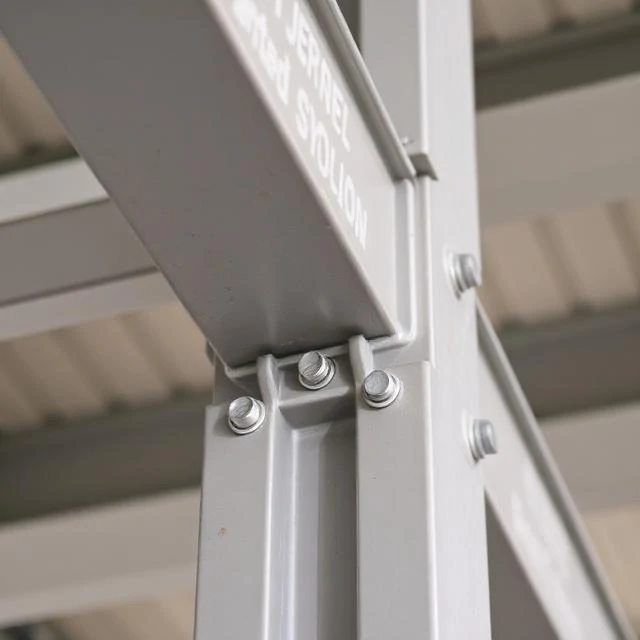
Bolting fastens structural components using bolts and nuts. It is one of the primary methods of connecting steel members. A bolt passes through holes in two or more plates, and a nut tightens it to clamp the plates together. The connection transfers load through friction, bearing, or tension, depending on the bolt type and the design. Bolted connections can be assembled in the field, inspected, and if necessary, taken apart. That is why they are common in steel construction.
Bolts come in several grades and types. A325 and A490 are high-strength structural bolts used in steel frames. They are tightened to a specified tension, often using a torque wrench or a turn-of-nut method. Anchor bolts embed in concrete to hold columns and equipment. Eye bolts and U-bolts serve specialized purposes. The bolt diameter, length, thread, and coating are all specified by the engineer.
Bolted connections have advantages over welded ones. They are faster to assemble. They do not require certified welders. They can be inspected visually. They can accommodate slight misalignment through oversized or slotted holes. But they can loosen under vibration, so they may need locking washers or thread-locking compound. And they can fail in shear or tension if undersized. The connection is only as strong as its weakest component, and the bolt is often it.
Comments
No comments yet. Be the first to share a thought.
Leave a comment