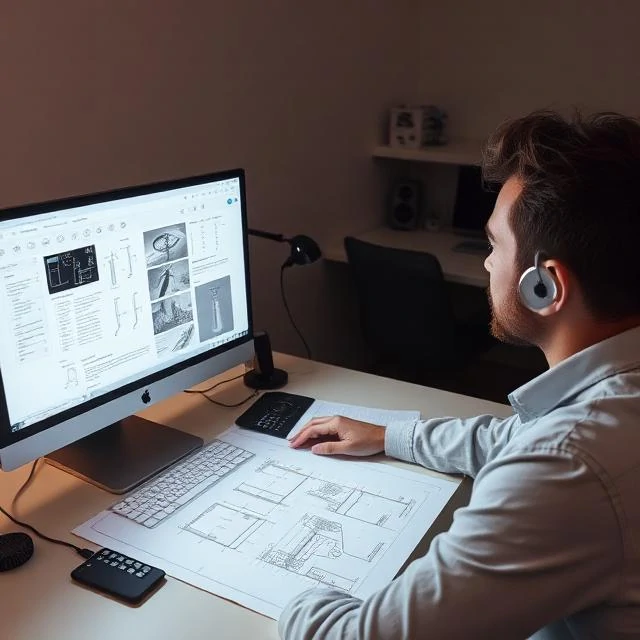
Lighting design is the planning of light in a space, both artificial and natural. It is not just about brightness. It is about how light makes people feel, how it reveals materials, how it supports tasks, and how much energy it consumes.
A lighting designer thinks in layers. Ambient light provides general illumination. Task light focuses on work surfaces. Accent light highlights objects or architecture. Decorative light adds character. Together they create a visual environment that can be warm or cool, dramatic or even, intimate or clinical.
Daylight is the cheapest and often the best light source, but it is variable and hard to control. A good design uses windows, skylights, and light shelves to bring daylight deep into a space while managing glare and heat gain. Electric lighting fills in when daylight fades.
New technology has changed the field. LED fixtures are efficient, dimmable, and color-tunable. Controls can adjust light levels based on occupancy, time of day, or daylight availability. The challenge is not the hardware. It is knowing what kind of light a space actually needs.
Comments
No comments yet. Be the first to share a thought.
Leave a comment