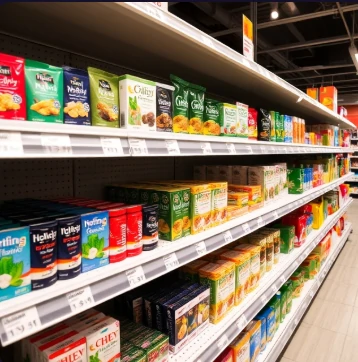
Products sit on horizontal surfaces arranged in rows so customers can see and reach them. Those surfaces are shelves. They are the basic furniture of retail presentation.
Shelf height, depth, and material affect how much merchandise can be shown and how easily it can be stocked. Eye-level positions are the most valuable and are often assigned to high-margin or best-selling items. Shelf-edge labels carry price and product information. Regular cleaning and facing keep shelves attractive.
Planograms dictate exactly what belongs on each shelf. Compliance ensures that central merchandising decisions reach the customer. A well-maintained shelf makes shopping easier; a disordered one signals neglect and hides products. The shelf remains the primary stage on which merchandise performs.
- Horizontal surface for displaying products
- Eye-level space is most valuable
- Organized according to planograms
- Requires regular stocking and maintenance
Comments (2)
Leave a comment