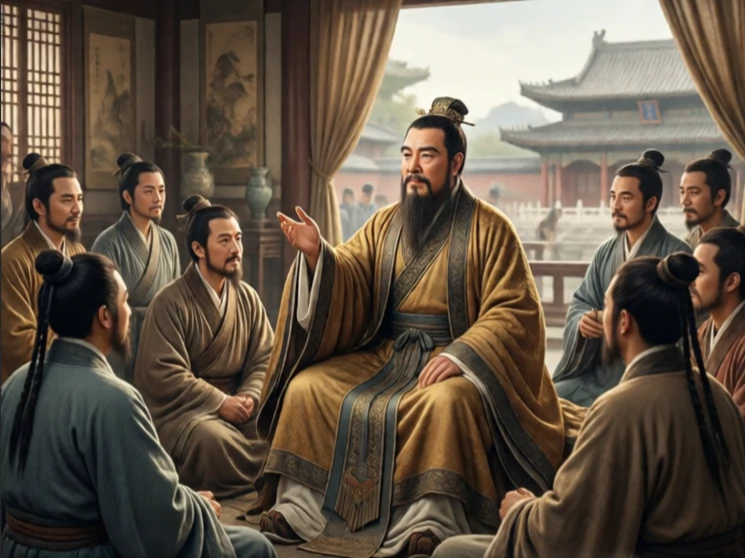
Confucianism is a Chinese ethical and philosophical system based on the teachings of Confucius. Confucius lived from 551 to 479 BCE. He was a teacher, a philosopher, and a government official. He did not claim to be a prophet. He did not teach about God. He taught about how to live. He taught about virtue, family, and society. His teachings shaped Chinese culture for over two thousand years.
Confucianism emphasizes relationships. The five relationships are ruler and subject, father and son, husband and wife, older brother and younger brother, and friend and friend. Each relationship has duties. The superior must be benevolent. The subordinate must be loyal. The goal is social harmony. The means is ritual and virtue. The virtuous person is the junzi, the gentleman. The junzi practices ren, benevolence. Li, ritual propriety. Xiao, filial piety. These are the pillars of Confucianism.
Confucian virtues
- Ren: benevolence, humaneness.
- Li: ritual, propriety, etiquette.
- Xiao: filial piety, respect for parents.
- Yi: righteousness, justice.
- Zhong: loyalty.
- Shu: reciprocity, the golden rule.
Confucianism is not a religion in the Western sense. It has no gods. It has no afterlife. It has no scripture. It has the Analects, the sayings of Confucius. It has the classics. It has rituals. It has temples. But its focus is this life. How to live well. How to govern well. How to be a good person. Confucianism is a humanism. It trusts in human effort. It trusts in education. It trusts in ritual. It trusts in the family. It shaped China. It shaped Korea. It shaped Japan. It shaped Vietnam. It is still influential. It is a philosophy of order. It is a philosophy of harmony. It is a philosophy of virtue. It is Confucianism.
Comments
No comments yet. Be the first to share a thought.
Leave a comment