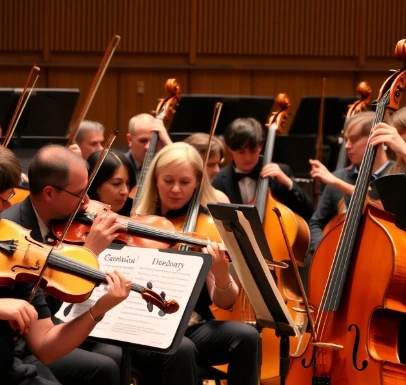
A string instrument produces sound through the vibration of stretched strings. The strings may be bowed, as on the violin and cello; plucked, as on the guitar and harp; or struck, as on the piano and hammered dulcimer.
The body of the instrument amplifies and colors the relatively weak sound of the string itself. Materials, construction, and playing technique all influence the tone. The string family in the orchestra—violin, viola, cello, and double bass—forms the largest and most homogeneous section of the ensemble.
String instruments appear in virtually every musical culture. Their ability to sustain tones, produce continuous dynamic change, and execute both rapid passages and lyrical lines makes them extremely versatile. Learning a string instrument develops precise left-hand placement and refined control of the bow or plucking hand.
- Sound produced by vibrating strings
- Bowed, plucked, or struck
- Includes violin family, guitars, harps, and more
- Core of the orchestral string section
Comments
No comments yet. Be the first to share a thought.
Leave a comment