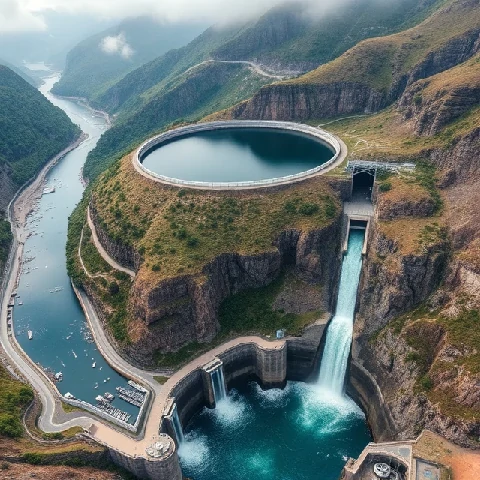
Energy storage captures energy for later use. It bridges the gap between when power is produced and when it is needed. A battery in a phone, a reservoir behind a dam, and a tank of hydrogen all store energy in different forms. The goal is the same: make supply match demand.
Storage matters more as grids add renewables. Solar peaks at midday. Wind blows when it blows. Demand peaks in the evening. Storage shifts power from abundant hours to scarce ones. Lithium-ion batteries handle short durations, from minutes to a few hours. Pumped hydro and compressed air cover longer periods. Hydrogen and thermal storage are being developed for days or weeks.
Cost and duration are the main constraints. Batteries are getting cheaper but are still expensive for long-duration storage. Pumped hydro is cheap per unit but limited by geography. Flow batteries last longer but cost more upfront. No single technology solves every problem. A mix is likely.
Common technologies
- Lithium-ion batteries
- Pumped hydro
- Compressed air
- Flow batteries
- Hydrogen and thermal storage
Comments
No comments yet. Be the first to share a thought.
Leave a comment