Nutrients move through ecosystems in cycles. Carbon, nitrogen, phosphorus, and other elements pass between the atmosphere, soil, water, and living organisms. Unlike energy, which flows through and is lost as heat, matter cycles. The same carbon atom can be part of a tree, a deer, a fungus, and the atmosphere within a few years. Nutrient cycles keep ecosystems supplied with the elements that life needs.
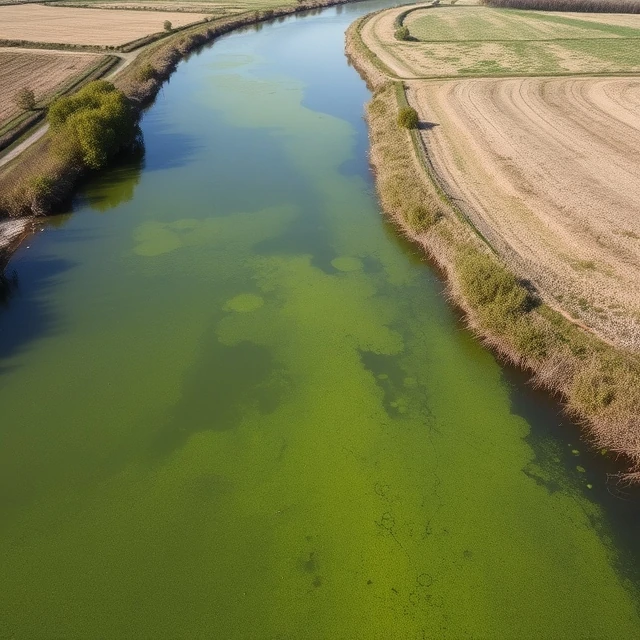
Each cycle has its own path and pace. The carbon cycle moves quickly through living things but slowly through rocks and fossil fuels. The nitrogen cycle depends on bacteria to convert atmospheric nitrogen into usable forms. The phosphorus cycle has no gaseous phase, so it moves mainly through soil, water, and organisms. Human activity has disrupted all three. Burning fossil fuels releases carbon. Fertilizers add nitrogen and phosphorus to waterways. These disruptions cause problems that range from algal blooms to climate change.
Major nutrient cycles
- Carbon cycle: atmosphere, organisms, oceans, rocks.
- Nitrogen cycle: bacteria-driven conversions.
- Phosphorus cycle: soil, water, and organisms.
- Water cycle: evaporation, condensation, precipitation.
Nutrient cycles are not closed loops. They leak and pool and shift with conditions. Understanding them is essential for managing soil, water, and climate.
Comments
No comments yet. Be the first to share a thought.
Leave a comment