Growing certain plants together for mutual benefit in pest control.
🤝
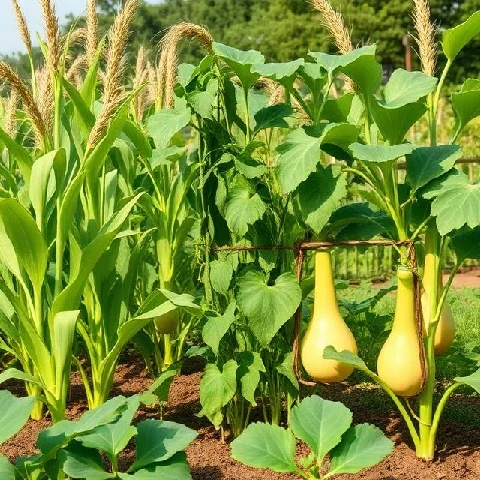
Companion planting is the agricultural and horticultural practice of growing certain plant species together for mutual benefit, such as pest deterrence, pollination enhancement, nutrient provision, or shade. Traditional systems include the Three Sisters of Native American agriculture—maize, beans, and squash—where maize provides a trellis for beans, beans fix nitrogen, and squash shades out weeds. Other classic pairings include marigolds with tomatoes to deter nematodes, basil with peppers, and nasturtiums with brassicas to trap aphids. Some combinations, however, are antagonistic, such as fennel with most vegetables or walnut trees with many crops. The scientific evidence for companion planting is mixed: some effects are well documented, such as trap cropping and floral resource provisioning for beneficial insects, while others rely on tradition and anecdote. Modern research in agroecology and integrated pest management has renewed interest in companion planting as a tool for reducing pesticides and increasing biodiversity on farms.
Comments (2)
Jamal I.
Tomatoes and basil grow well together. The basil is said to improve the flavor of the tomatoes. Whether that's science or folklore I'm not sure.
Ray Kowalski
Marigolds are the classic companion plant. They repel nematodes and other pests from the soil.
Comments (2)
Leave a comment