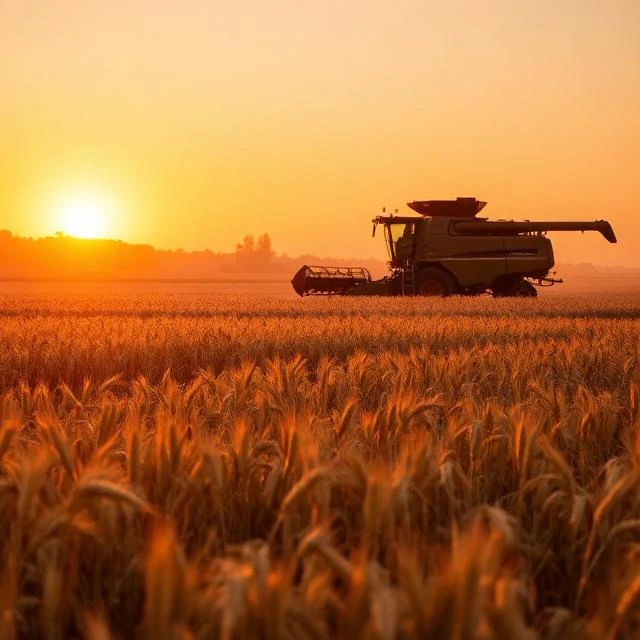
Autumn, also called fall in North American English, is the season between summer and winter, typically spanning September to November in the Northern Hemisphere and March to May in the Southern Hemisphere. Astronomically, it begins at the September equinox and ends at the December solstice. For agriculture, autumn is the principal harvest season in temperate regions: cereals, root crops, apples, grapes, and oilseeds are gathered, and fields are prepared for winter or sown with cover crops and winter cereals. The term derives from the Latin autumnus, and 'fall' from the Old English feallan, referring to the falling of leaves. Traditional harvest festivals such as the Celtic Samhain, the American Thanksgiving, and the Chinese Mid-Autumn Festival mark the season. Cooler temperatures and shorter days trigger leaf senescence, fruit ripening, and the migration of birds. Modern agriculture uses autumn for soil testing, lime and manure application, and planning crop rotations for the following year.
Comments
No comments yet. Be the first to share a thought.
Leave a comment