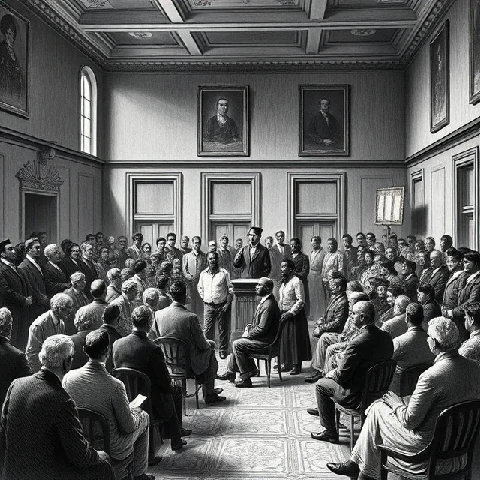
Slavery once bound millions across the Atlantic world. Abolition was the organized effort to end the slave trade and the institution of slavery itself. Activists, former slaves, religious groups, and politicians pressed the cause through petitions, books, lawsuits, and public meetings.
In Britain the campaign gained force in the late eighteenth century and secured the end of the transatlantic trade in 1807, followed by emancipation in most of the empire in 1833. In the United States the movement split over tactics yet helped push the country toward the Civil War and the Thirteenth Amendment. Elsewhere, similar struggles unfolded under different legal and social conditions.
Abolitionists faced violence, censorship, and economic opposition from those who profited from forced labor. Their success rested on persistent organizing, moral argument, and shifting political calculations. The legal end of slavery did not erase its economic and social legacies, which continued to shape societies long afterward.
- Movement to end slavery and the slave trade
- Achieved major legal victories in the 19th century
- Involved diverse activists and strategies
- Left unresolved questions of equality and justice
Comments (2)
Leave a comment