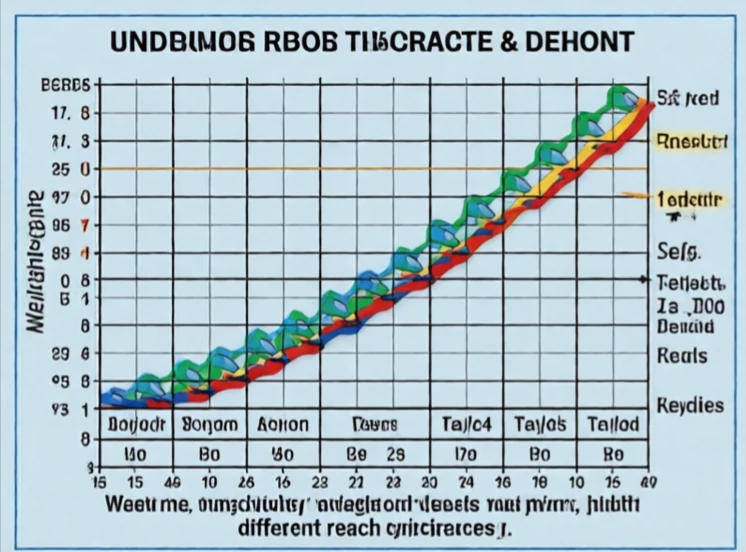
Payload is the maximum weight a robot can carry or manipulate. It includes the object, the gripper, and any tooling attached to the end effector. A robot rated for 10 kilograms of payload can lift 10 kilograms total at the end of its arm. Exceed that and the arm sags, the motors overheat, and the joints wear out.
Payload capacity depends on the robot's size and configuration. A small collaborative robot might handle 5 kilograms. A large industrial robot can lift 500 kilograms or more. The capacity drops as the arm extends. A robot that lifts 100 kilograms close to its base might only lift 50 kilograms at full reach. The manufacturer publishes a payload chart that shows the limit at different distances.
Payload considerations
- Weight of the object plus gripper and tooling.
- Center of mass: offset loads reduce capacity.
- Speed and acceleration: dynamic loads exceed static weight.
- Duty cycle: continuous lifting generates heat.
- Safety margin: never operate at the limit.
Payload is not just about lifting. It is about controlling. A heavy payload has inertia. The robot must accelerate and decelerate it without overshooting or oscillating. That requires more torque and more sophisticated control. A robot at its payload limit will move slower and less precisely than one carrying a light load. Engineers size the robot with margin. A 10-kilogram payload on a 15-kilogram robot is comfortable. A 10-kilogram payload on a 10-kilogram robot is a recipe for downtime. Payload is one of the first specifications to check when selecting a robot for a task.
Comments
No comments yet. Be the first to share a thought.
Leave a comment