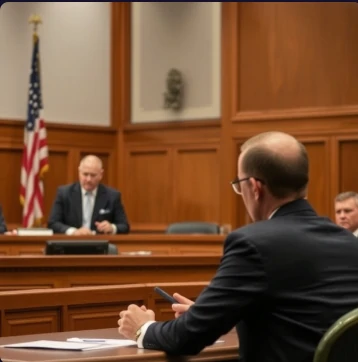
A psychologist evaluates a defendant’s competence to stand trial, assesses the risk of future violence, or helps a jury understand eyewitness limitations. Forensic psychology applies psychological knowledge to legal questions and the criminal justice system.
Practitioners conduct assessments for courts, provide expert testimony, consult with law enforcement, and design interventions for offenders. They must translate psychological findings into language that judges and juries can use, while remaining clear about the limits of their data. Ethical tensions arise when the client is the court rather than the individual being evaluated.
Research in the field examines false confessions, jury decision making, detection of deception, and the effectiveness of correctional programs. Forensic psychologists work at the boundary of two systems that sometimes operate with different standards of proof and different goals. Their contribution is to bring empirical rigor to questions that the law must answer.
- Application of psychology to legal issues
- Includes assessment, testimony, and consultation
- Requires translation between scientific and legal standards
- Addresses competence, risk, and eyewitness evidence
Comments
No comments yet. Be the first to share a thought.
Leave a comment