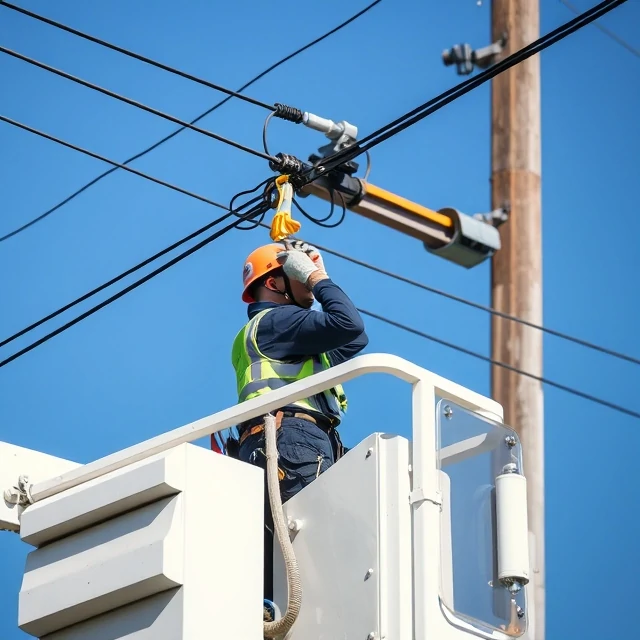
The distribution network is the last leg of the electricity journey. It carries power from substations to homes, shops, and factories. If transmission is the highway system, distribution is the local streets. It operates at lower voltages, typically under 35 kilovolts.
The network includes transformers, poles, wires, and meters. A distribution transformer steps voltage down from the feeder line to a level safe for buildings. Overhead lines are common in suburbs and rural areas. Underground cables dominate dense cities. The layout shapes reliability and cost. Underground is safer but far more expensive to install and repair.
Distribution is changing. Rooftop solar sends power back up the wires. Electric vehicles draw heavy loads. Batteries at the edge of the grid store and release. These flows were not part of the original design. Utilities are upgrading transformers, adding sensors, and adopting smart meters. The grid is becoming a two-way street.
Key components
- Substations
- Distribution transformers
- Poles and wires
- Smart meters
- Distributed energy resources
Comments
No comments yet. Be the first to share a thought.
Leave a comment