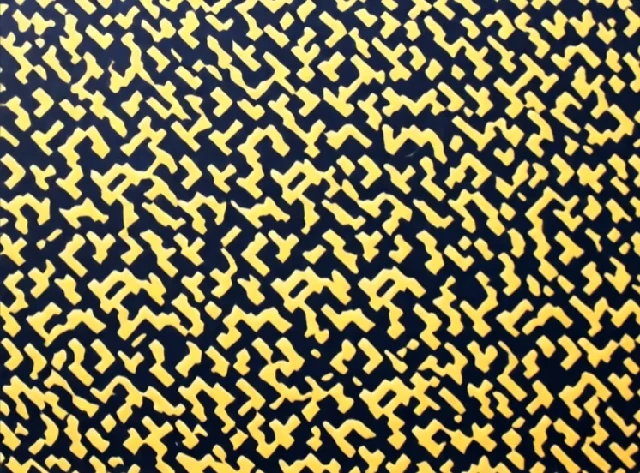
Pattern is the repetition of a visual element across a surface. Stripes, dots, checks, floral motifs, geometric tiles. Patterns appear in textiles, architecture, packaging, and interface design. They create rhythm, texture, and visual interest. A simple pattern can unify a design or provide a background that supports foreground content without competing with it.
Designers use patterns for several purposes. They can fill empty space with texture. They can signal a brand identity, like the Burberry check or the Louis Vuitton monogram. They can guide the eye along a surface. In user interfaces, subtle patterns often serve as backgrounds for hero sections or empty states. The key is restraint. A busy pattern behind text makes reading difficult. A subtle one adds depth without interfering.
Types of pattern
- Geometric: stripes, grids, chevrons.
- Organic: floral, animal, wave motifs.
- Abstract: repeated shapes without natural reference.
- Cultural: traditional motifs with specific meanings.
Patterns carry cultural weight. A tartan signals a Scottish clan. A kente cloth pattern carries Ghanaian proverbs. Designers borrowing such patterns should understand what they mean before using them.
Comments
No comments yet. Be the first to share a thought.
Leave a comment