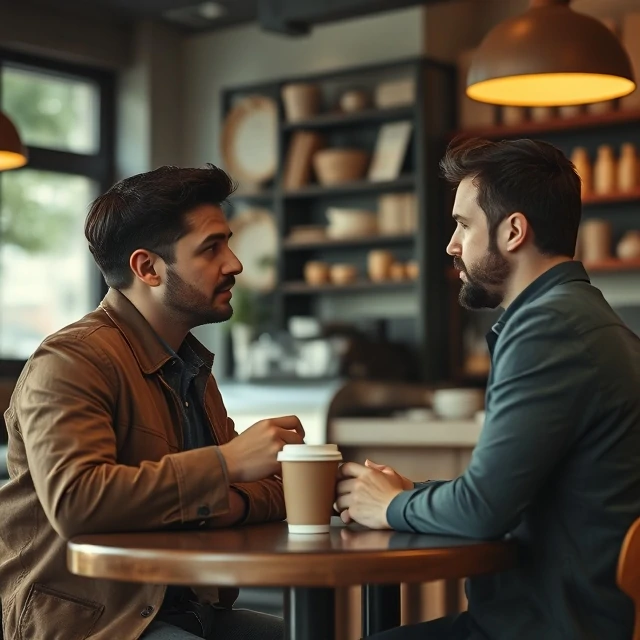
A medium shot frames a subject from roughly the waist up. It is one of the most common shots in cinema. It is close enough to show facial expression and emotion, but far enough to show body language and gesture. It is a conversational distance. The audience feels like they are in the room with the character, but not in their face. It is a versatile shot that works for dialogue, action, and exposition.
The medium shot has several variations. A medium close-up frames from the chest up, tighter than a medium shot. A medium long shot frames from the knees up, wider than a medium shot. A cowboy shot, named for its use in westerns, frames from the mid-thigh up, showing a character's gun belt. Each variation has a different effect. The medium shot is the standard. The variations adjust the balance between intimacy and context.
The medium shot is often used in dialogue scenes. It allows the audience to see both characters in a conversation, or to cut between them. It is also used in action scenes, where it shows the character's movement without losing the surroundings. It is used in comedy, where it captures both the punchline and the reaction. The medium shot is not flashy. It is functional. But it is essential. Without it, the film would be all close-ups and wide shots, with no middle ground.
Comments
No comments yet. Be the first to share a thought.
Leave a comment