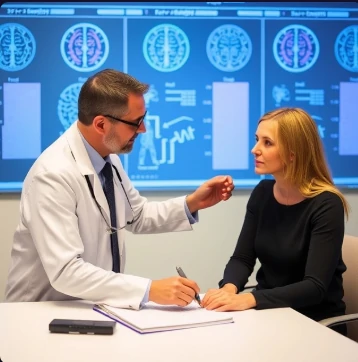
A patient who can speak fluently yet cannot understand spoken language, or who neglects one side of space, reveals the specialized contributions of different brain regions. Neuropsychology studies the relationships between brain function and behavior, especially through the effects of brain damage or disease.
Classic case studies and group research have mapped functions such as language, memory, spatial attention, and executive control onto particular neural systems. Modern neuropsychology combines careful behavioral testing with structural and functional imaging. Assessment helps diagnose conditions, plan rehabilitation, and track recovery or decline.
The field bridges neurology and psychology. Findings from patients with lesions continue to inform theories of normal cognition, while advances in imaging expand the range of questions that can be asked. Clinical neuropsychologists work in hospitals, rehabilitation centers, and research settings. Their data remind us that mind is what the brain does.
- Links brain function to behavior and cognition
- Draws heavily on effects of brain injury and disease
- Combines behavioral testing with imaging
- Informs diagnosis, rehabilitation, and theory
Comments
No comments yet. Be the first to share a thought.
Leave a comment