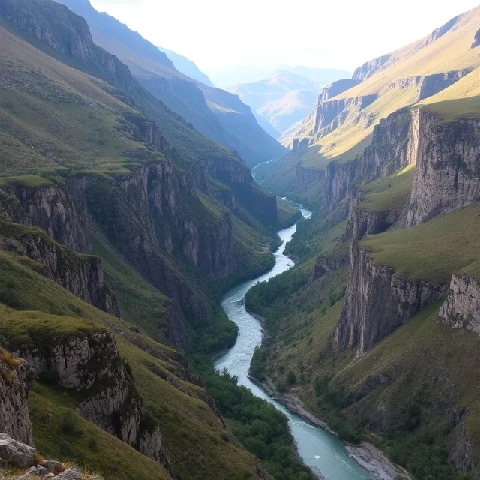
Low ground lies between higher slopes. A valley is an elongated depression in the landscape, typically drained by a river or stream. Valleys form through fluvial erosion, glacial carving, or tectonic down-dropping.
V-shaped valleys indicate active river downcutting; U-shaped valleys record the passage of glaciers. Broad flat-floored valleys may contain floodplains and terraces. Valleys have long been preferred routes for transportation and sites for settlement because of water availability and sheltered conditions.
Flood risk is an inherent feature of many valleys. Landslides from the surrounding slopes add further hazard. Despite these risks, fertile valley soils and reliable water have made them centers of agriculture and population throughout history.
- Low area between hills or mountains
- Usually drained by a river
- Formed by water, ice, or tectonics
- Favored for settlement and transport
Comments
No comments yet. Be the first to share a thought.
Leave a comment