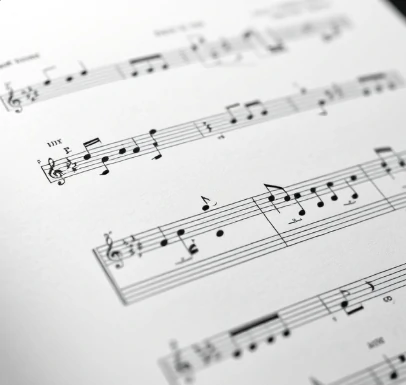
Staccato means playing notes short and detached so that each one is separated by a brief silence. The notation is a dot placed above or below the note head. The exact degree of shortness depends on the tempo, the style, and the instrument.
Staccato articulation creates a sense of lightness, precision, or rhythmic energy. It contrasts with legato, in which notes are connected. On different instruments the technical means of producing staccato vary: string players use controlled bow strokes, wind players use tonguing, pianists release the keys quickly.
Composers mark staccato to shape character and to clarify rapid passages. Overdone staccato can sound choppy; insufficient separation can blur the intended effect. Skilled performers adjust the length of staccato notes so that the music remains expressive rather than mechanical.
- Short, detached style of playing
- Marked by a dot over or under the note
- Opposite of legato
- Creates lightness and rhythmic clarity
Comments (2)
Leave a comment