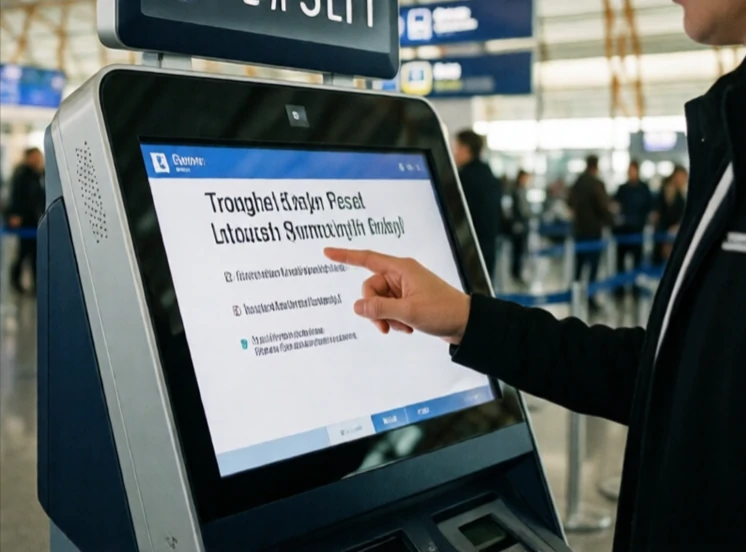
A touchscreen is a display that responds to touch input. You tap, swipe, pinch, and drag. The screen detects your finger and translates the gesture into a command. It replaced the keyboard and mouse on phones and tablets. It is also used on ATMs, kiosks, car dashboards, and point-of-sale systems.
Touchscreens use different technologies. Resistive screens detect pressure. Capacitive screens detect electrical conductivity from your finger. Capacitive is more responsive and supports multi-touch. Infrared and surface acoustic wave screens are used in larger installations. Each has trade-offs in cost, durability, and clarity.
Types of touchscreens
- Resistive: pressure-sensitive, works with gloves
- Capacitive: finger-sensitive, multi-touch
- Infrared: uses light beams, large screens
- SAW: surface acoustic waves, kiosks
- Optical: cameras detect touch
Touchscreens changed interaction. They made computers accessible to people who never learned to type. They enabled new forms of art, gaming, and communication. They also leave fingerprints. And they do not work well with gloves, unless designed for it. The interface is intuitive. The technology behind it is not.
Comments
No comments yet. Be the first to share a thought.
Leave a comment