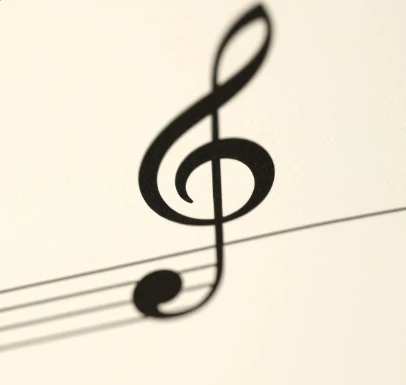
Notes written on the lower part of the piano or for low instruments would crowd the staff if forced into treble clef. The bass clef solves the problem by assigning the lines and spaces to a lower range. Its distinctive symbol, derived from the letter F, curls around the F line below middle C.
Cellists, bassists, trombonists, and the left hand of the pianist read primarily in bass clef. The clef keeps ledger lines to a minimum and makes the music easier to scan. When the music rises temporarily, composers may switch to tenor or treble clef, then return.
Students learn the bass clef notes early: the lines are G-B-D-F-A and the spaces A-C-E-G. Fluency in both clefs is essential for anyone who reads keyboard music or plays a low instrument.
- Indicates lower pitch ranges
- Symbol derived from the letter F
- Used by low instruments and left-hand piano
- Reduces ledger lines for low notes
Comments
No comments yet. Be the first to share a thought.
Leave a comment