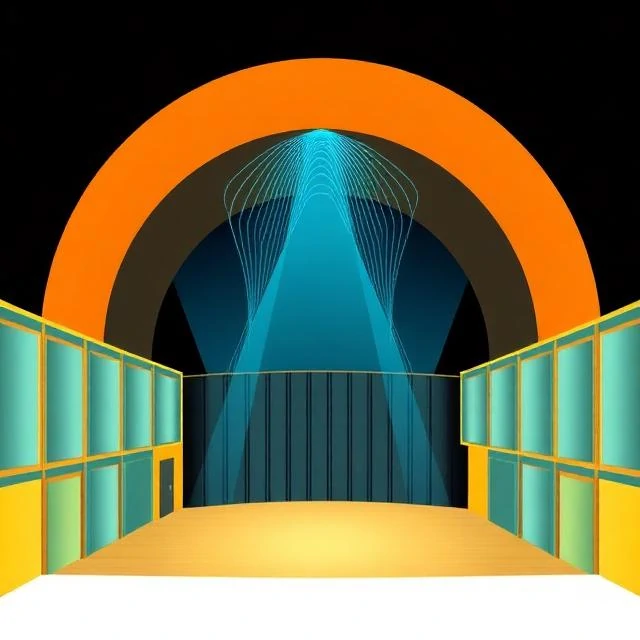
Stand in an empty concert hall and clap once. The sound that comes back tells you everything about the room's acoustics — how long the echo lingers, whether it feels warm or harsh, whether a whisper carries to the back row. Acoustics is the science of how sound behaves inside enclosed spaces: how it reflects off hard surfaces, gets absorbed by soft ones, and travels around obstacles.
Architects care about this because a room's shape and materials determine whether it works for its purpose. A lecture hall needs speech to stay intelligible; a recording studio needs near-total silence. The same concrete that makes a parking garage feel loud and echoey would ruin a library reading room.
Key factors
- Reverberation time — how long sound persists after the source stops.
- Absorption — soft materials like carpet and acoustic panels soak up sound energy.
- Reflection — hard surfaces bounce sound, creating echoes and focusing effects.
- Background noise — outside traffic, machinery, and HVAC systems raise the floor of unwanted sound.
Good acoustic design often means solving problems before they exist — angling a wall, specifying the right ceiling tile, or isolating a mechanical room from the spaces around it.
Comments
No comments yet. Be the first to share a thought.
Leave a comment