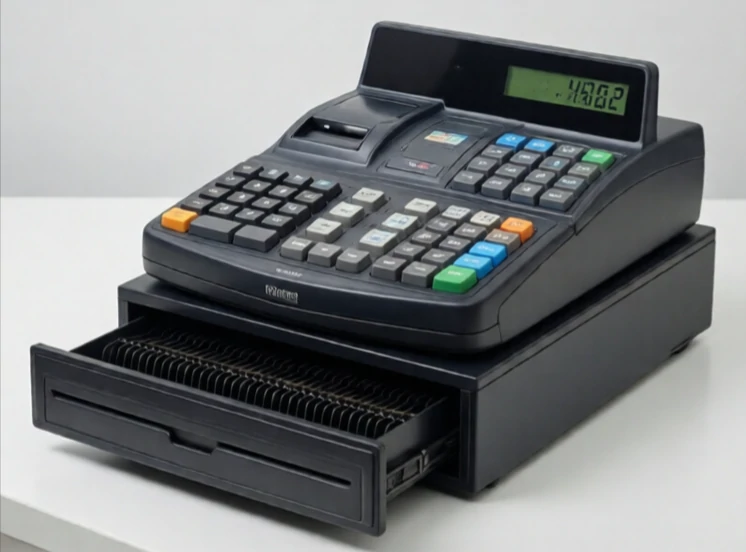
At the end of the transaction the cashier opens a drawer, places bills inside, and hands back change. The machine that records the sale and secures the money is a cash register. Modern versions are often integrated computer terminals, yet the core function remains the same.
Early mechanical registers simply totaled sales and locked the cash. Today’s systems scan barcodes, calculate tax, process cards, and update inventory in real time. The drawer still provides a physical point of control for notes and coins. Reports generated by the register help managers track sales by hour, category, or employee.
Even in largely cashless stores a register or terminal anchors the checkout zone. Its presence signals where the commercial exchange is completed. Reliability and speed at the register directly affect customer satisfaction at the final moment of the visit.
The sound of the drawer opening still marks the completion of a sale.
Comments
No comments yet. Be the first to share a thought.
Leave a comment