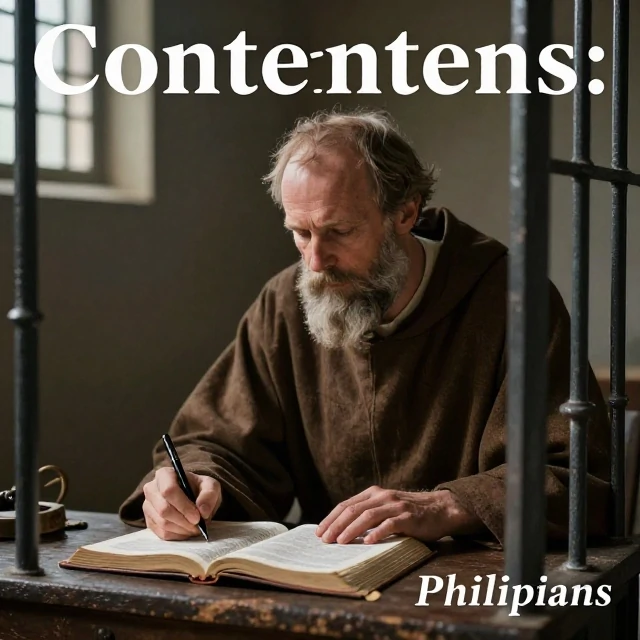
Contentment is a state of peaceful satisfaction with one's circumstances. It is not the same as happiness. Happiness depends on circumstances. Contentment depends on attitude. A content person can be satisfied even in difficulty. A discontent person can be unhappy even in plenty. Contentment is a virtue. It is learned. It is practiced.
The Apostle Paul wrote about contentment. He said he had learned to be content in any situation. He knew how to be brought low and how to abound. He could do all things through Christ who strengthened him. Contentment is not passivity. It is not resignation. It is trust. It is the belief that God provides. It is the acceptance of what is. It is the freedom from envy and greed.
Contentment in scripture
- Philippians 4:11-13: learned to be content.
- 1 Timothy 6:6: godliness with contentment is great gain.
- Hebrews 13:5: be content with what you have.
- Psalm 23: the Lord is my shepherd, I shall not want.
- Proverbs 19:23: the fear of the Lord leads to contentment.
Contentment is countercultural. Advertising tells us we need more. Social media shows us what we lack. Comparison breeds discontent. Contentment resists. It says: this is enough. It says: I have what I need. It says: I am grateful. Contentment is not complacency. It does not mean we stop growing. It means we stop striving for what we do not need. It means we enjoy what we have. It means we trust God for the future. Contentment is a gift. It is also a discipline. It must be cultivated. It must be chosen. It is the secret of a peaceful life. Paul said he learned it. We can too.
Comments
No comments yet. Be the first to share a thought.
Leave a comment