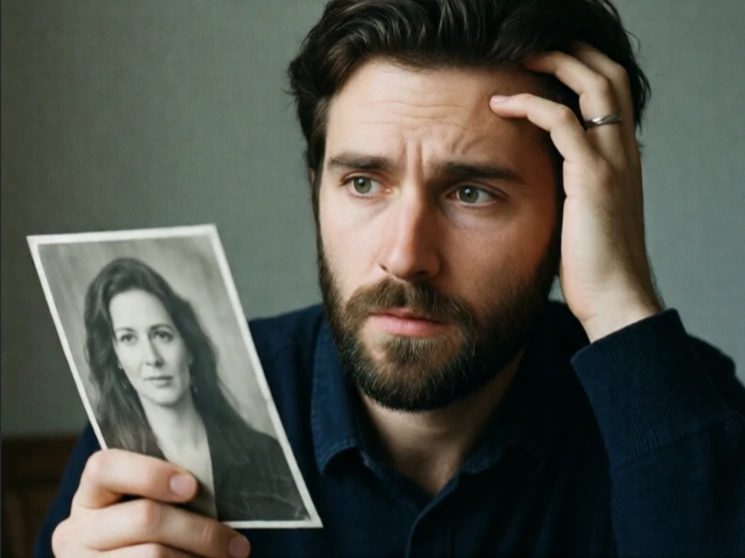
Amnesia is the loss of memory. It can be temporary or permanent, limited or extensive, and it takes several distinct forms depending on which memory systems are damaged.
Retrograde amnesia erases memories formed before the onset of the disorder; anterograde amnesia prevents the formation of new lasting memories afterward. The famous patient H.M., who underwent bilateral removal of the medial temporal lobes, retained his pre-surgical life and his ability to learn new motor skills, yet could not remember new people or events for more than a few minutes. That dissociation helped establish the special role of the hippocampus in declarative memory.
Causes include head injury, stroke, prolonged alcohol abuse, certain infections, and psychological trauma. In dissociative amnesia the loss is often selective and related to stressful events; organic amnesia follows the anatomy of the injury. Recovery, when it occurs, is usually gradual and incomplete. Rehabilitation focuses on compensatory strategies—external aids, routines, and the intact procedural learning system.
Amnesia does not erase the self entirely. Personality, skills, and emotional preferences often survive even when the narrative of one’s past does not.
Comments
No comments yet. Be the first to share a thought.
Leave a comment