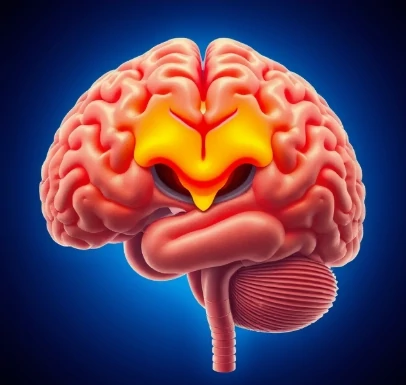
The hypothalamus is a small but critical structure at the base of the brain. It regulates hunger, thirst, body temperature, sexual behavior, and the endocrine system through its control of the pituitary gland.
Clusters of nuclei within the hypothalamus monitor internal states and initiate corrective responses. Damage to specific regions can produce dramatic overeating or refusal to eat, disruptions of temperature control, or alterations in sexual and aggressive behavior. The hypothalamus links the nervous system to the endocrine system by releasing hormones that control the anterior pituitary and by extending axons that release hormones directly into the posterior pituitary.
It also participates in the stress response, the sleep-wake cycle, and the regulation of circadian rhythms through its connections with the suprachiasmatic nucleus. Because it sits at the intersection of motivation, emotion, and physiological control, the hypothalamus is central to the maintenance of homeostasis and to the drives that keep the organism alive and reproducing.
Many of the body’s most basic regulatory functions pass through this small region of the brain.
Comments
No comments yet. Be the first to share a thought.
Leave a comment