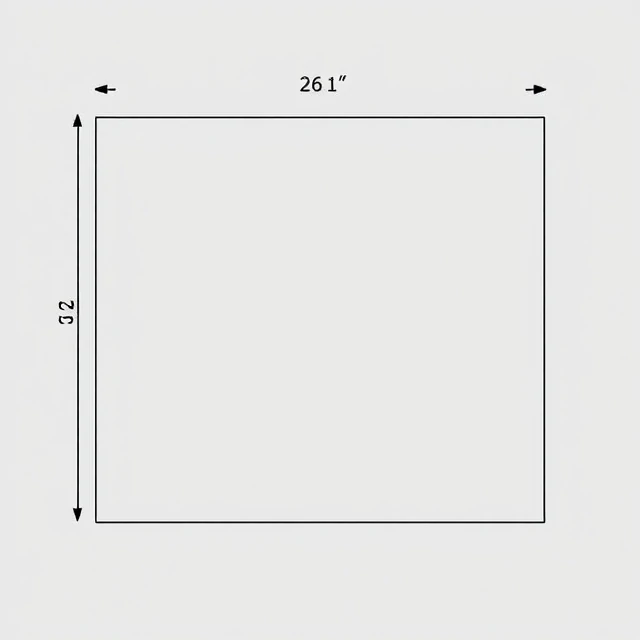
Perimeter is the distance around a shape. For a rectangle, it is 2 × (length + width). For a triangle, add the three sides. For a circle, the perimeter is the circumference, 2πr. The unit is linear: meters, feet, inches.
Perimeter measures fencing, framing, and borders. A farmer calculating fence length, a carpenter measuring trim, a city planner designing a park path—all use perimeter. Irregular shapes require adding each segment or using a measuring tool.
In geometry, perimeter is distinct from area. Two shapes can have the same area but different perimeters. A long, thin rectangle has a larger perimeter than a square with the same area. That fact has practical implications in design and optimization. The concept is elementary but widely applied.
- Distance around a shape
- Rectangle: 2 × (length + width)
- Circle: circumference = 2πr
- Distinct from area; same area can have different perimeters
Comments (2)
Leave a comment