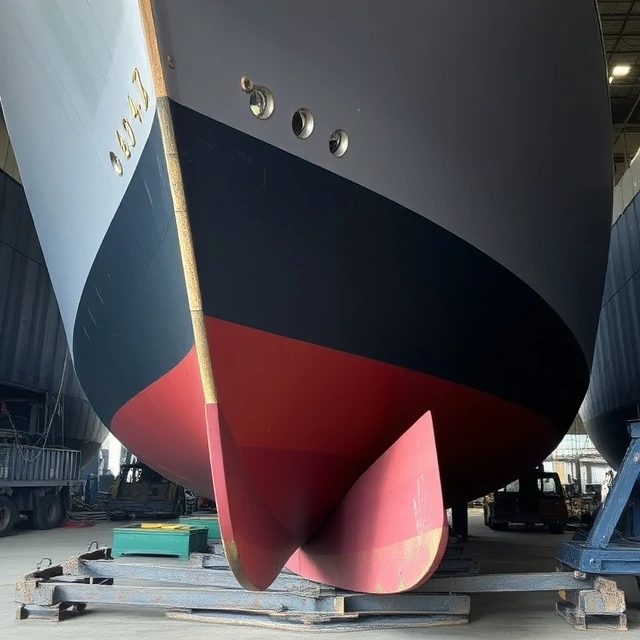
Everything else sits on or inside the main body. The hull is the watertight body of a ship or boat, including the bottom, sides, and deck, that provides buoyancy and structural strength.
Hull form determines resistance, stability, and seakeeping. Construction may be steel, aluminum, composite, or wood. The hull must resist hydrostatic pressure, wave impact, and grounding loads. Coatings protect against corrosion and fouling; sacrificial anodes or impressed-current systems manage electrochemical decay.
Damage to the hull—from collision, grounding, or fatigue—threatens buoyancy and strength. Regular surveys inspect plating, frames, and welds. Hull performance monitoring tracks how fouling and coating condition affect fuel consumption over time.
- Main watertight body of a ship
- Provides buoyancy and structural strength
- Protected by coatings and corrosion systems
- Subject to survey and performance monitoring
Comments
No comments yet. Be the first to share a thought.
Leave a comment