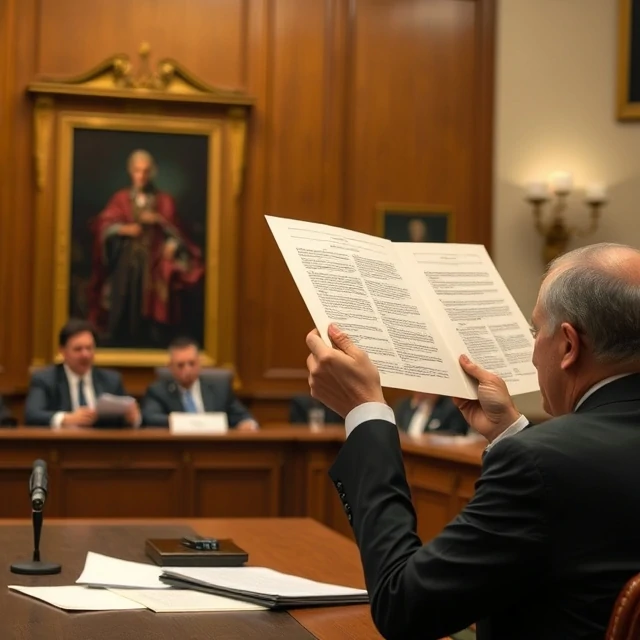
Courts decide cases on what is properly placed before them. Evidence is the information—testimony, documents, physical objects, and demonstrative materials—presented to prove or disprove facts in issue.
Rules of evidence govern relevance, hearsay, character, privileges, and expert opinion to promote reliability and fairness. Judges rule on objections and instruct juries on what they may consider. Illegal searches or coerced statements can render evidence inadmissible even if it is persuasive.
Lawyers build records through exhibits and witness examinations. Appellate courts review whether evidentiary rulings affected the outcome. Mastery of evidence law is a core trial skill because the same underlying event can look very different depending on what the fact-finder is allowed to hear.
- Information offered to prove or disprove facts
- Includes testimony, documents, and objects
- Subject to rules of admissibility
- Shapes what the fact-finder may consider
Comments (3)
Leave a comment