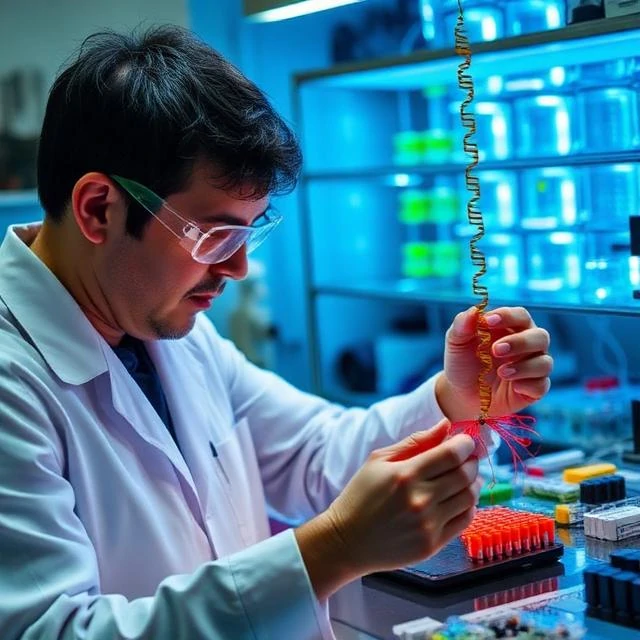
Synthetic biology designs and builds new biological parts and systems. It treats DNA as a programming language and cells as programmable chassis. Instead of studying what exists, it creates what does not. The field combines molecular biology, engineering, computer science, and chemistry. It is ambitious, controversial, and rapidly advancing.
The work involves several approaches. Standardized DNA parts, called BioBricks, can be assembled into genetic circuits. Gene synthesis allows the construction of genes and genomes from scratch. Metabolic engineering redirects cellular metabolism to produce new compounds. Genome editing and synthesis create organisms with minimal or redesigned genomes. The goal is predictability and control.
Synthetic biology has produced useful things. Engineered yeast produces artemisinic acid, a precursor to an antimalarial drug. Engineered bacteria produce biofuels and bioplastics. Engineered cells detect environmental pollutants and report them with a fluorescent signal. Synthetic gene circuits are used in research to study gene regulation and in medicine to program immune cells.
The field raises concerns. Engineered organisms could escape and disrupt ecosystems. Synthetic pathogens could be used as weapons. The line between engineering and creating life is blurry. The regulations are still catching up. Synthetic biology is powerful, and its consequences will depend on how it is governed.
Comments
No comments yet. Be the first to share a thought.
Leave a comment