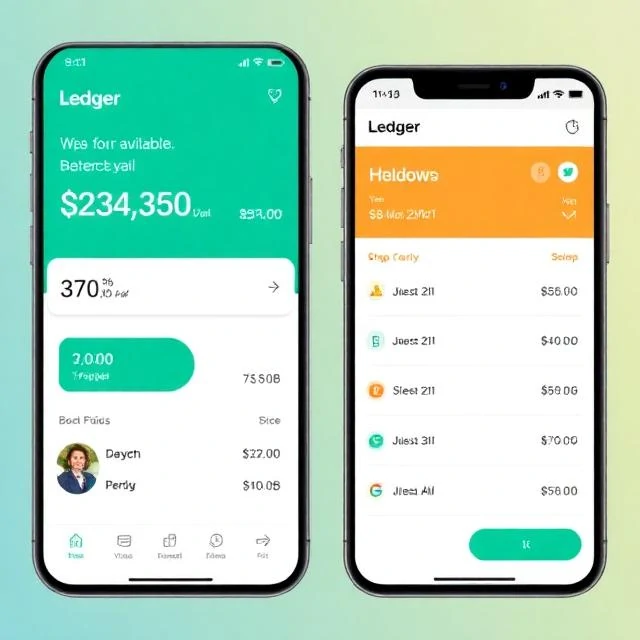
The balance is the amount of money in an account at a given moment. It is not static. Every deposit, withdrawal, transfer, fee, and interest payment changes it. The balance you see in your banking app may not be the same as the balance available to spend. That distinction matters.
There are several types of balance. The ledger balance is the actual amount in the account, including pending transactions. The available balance is what you can withdraw or spend right now. It subtracts holds, pending debits, and sometimes a portion of recent deposits. A check you deposit may take days to clear, so the ledger balance rises before the available balance does. If you write a check against the ledger balance too soon, it may bounce.
The minimum balance is the amount the bank requires you to keep in the account to avoid a fee. Some accounts have no minimum. Others require $1,500 or more. The average monthly maintenance fee for a checking account is around $15, though many banks waive it if you meet certain conditions, like direct deposit.
Overdrafting happens when a transaction exceeds the available balance. Banks may cover it and charge a fee, or they may decline the transaction. Overdraft fees average around $35. Some banks now offer small grace periods or linked savings accounts to cover shortfalls. The balance is a simple number, but it carries real consequences.
Comments (2)
Leave a comment