Cars break. When they do, most people take them to an auto repair shop. These businesses diagnose and fix mechanical, electrical, and body problems. They range from a one-person garage to a dealership service center with dozens of bays and millions of dollars in equipment.
The work varies. An independent shop might specialize in brakes and suspension, or in European cars, or in hybrids and EVs. A dealership service department handles warranty work and model-specific repairs. A chain like Jiffy Lube focuses on quick maintenance. A body shop repairs collision damage. Each has its own tools, training, and business model.
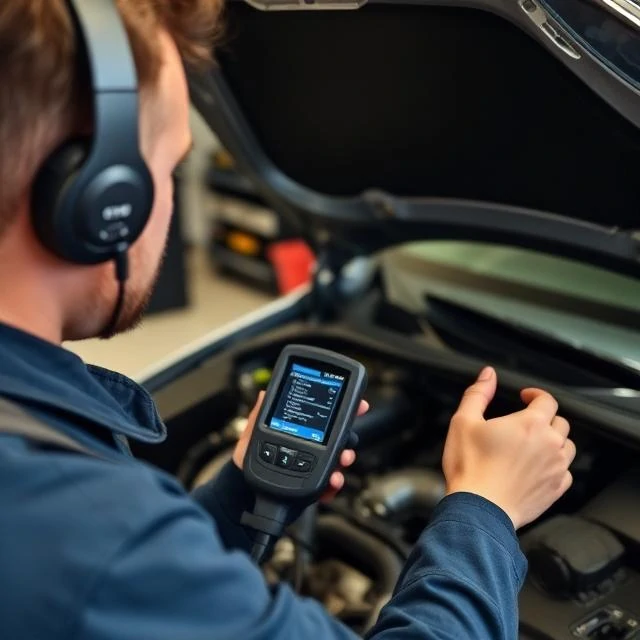
Diagnostics have changed the trade. A modern car has dozens of computers communicating on a network. A technician plugs a scan tool into the OBD-II port and reads fault codes. But codes only point to a system, not always the failed part. Experience still matters. A good technician interprets the data, tests components, and confirms the repair.
Trust is the hard part. Customers often do not know what a repair should cost or whether it is necessary. Reputable shops explain the work, show the failed parts, and offer written estimates. The best ones build a clientele that comes back for years.
Comments
No comments yet. Be the first to share a thought.
Leave a comment