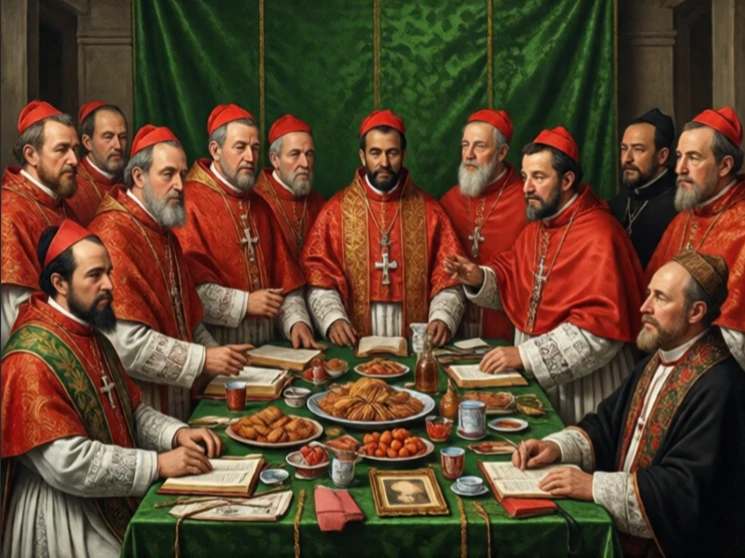
The Counter-Reformation was the Catholic response to the Protestant Reformation. It began in the mid-16th century. It was a period of reform and renewal. It addressed the abuses that had provoked the Protestant revolt. It reaffirmed Catholic doctrine. It strengthened the papacy. It founded new religious orders. It spread the faith to new lands. It was a time of both reform and repression.
The Council of Trent met from 1545 to 1563. It was the centerpiece of the Counter-Reformation. It clarified Catholic doctrine. It condemned Protestant teachings. It reformed church practices. It established seminaries. It required bishops to reside in their dioceses. It ended the sale of indulgences. It standardized the Mass. It produced the Roman Catechism. It was a turning point. The Catholic Church emerged renewed.
Counter-Reformation movements
- Council of Trent: doctrinal clarification and reform.
- Jesuits: founded by Ignatius of Loyola in 1540.
- Inquisition: used to suppress heresy.
- Index of Forbidden Books: censorship.
- Mysticism: Teresa of Avila, John of the Cross.
The Counter-Reformation had many faces. It reformed the church. It educated the clergy. It renewed spiritual life. It also used force. The Inquisition persecuted heretics. The Index banned books. Wars were fought. The Thirty Years' War was a religious conflict. It devastated Europe. The Counter-Reformation was not just a defense. It was an offensive. It won back some areas. It lost others. It shaped the modern Catholic Church. It shaped the modern world. It is a story of reform and reaction. It is a story of faith and power. It is a story of sin and grace. It is the Counter-Reformation.
Comments
No comments yet. Be the first to share a thought.
Leave a comment