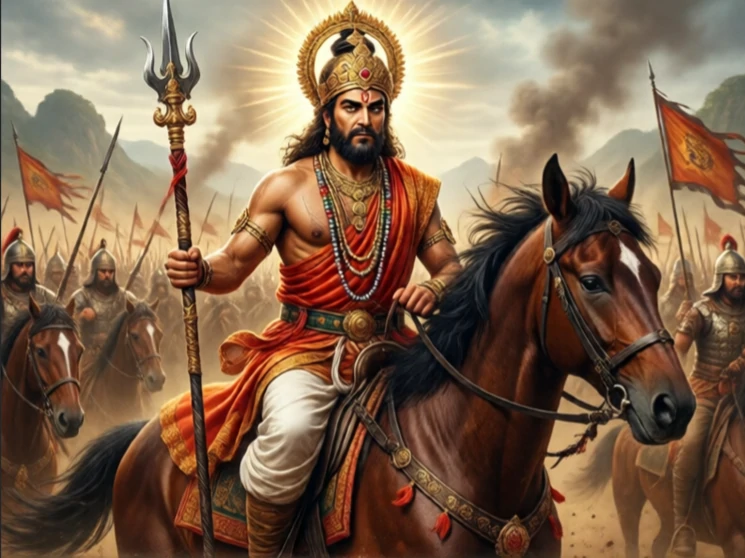
Dharma is the moral and religious duty in Hinduism and Buddhism. It is the law of righteousness. It is the order of the universe. It is what one ought to do. It varies by person. It varies by caste. It varies by stage of life. The dharma of a warrior is to fight. The dharma of a priest is to teach. The dharma of a wife is to serve. The dharma of a student is to learn. Each person has their own path. Each person must follow it.
In Hinduism, dharma is one of the four goals of life. The others are artha, wealth. Kama, pleasure. Moksha, liberation. Dharma is the foundation. It guides the other goals. It is the moral order. It is the cosmic law. It is what holds the world together. In Buddhism, dharma is the teaching of the Buddha. It is the truth. It is the path. It is the law. The Buddha taught the dharma. The sangha preserves it. The dharma is the raft to cross the river of suffering. It is the medicine for the disease of existence.
Dharma in context
- Hindu dharma: duty, law, righteousness.
- Buddhist dharma: the teaching of the Buddha.
- Sanatana dharma: the eternal law.
- Varnashrama dharma: duty by caste and stage.
- Sadharana dharma: universal moral duties.
Dharma is a complex concept. It is not just rules. It is a way of life. It is a way of being. It is living in harmony with the universe. It is doing what is right for you. It is not the same for everyone. It is contextual. It is personal. It is also universal. The core of dharma is ahimsa, nonviolence. Satya, truth. Asteya, non-stealing. These are universal. They apply to everyone. Dharma is the path. It is the way. It is the duty. It is the law. It is the truth. It is what you must do. It is who you must be. It is dharma.
Comments
No comments yet. Be the first to share a thought.
Leave a comment