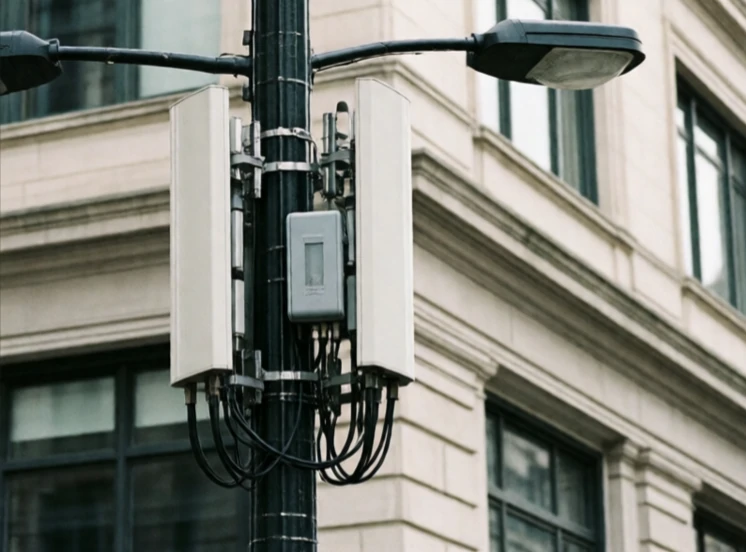
A base station is a fixed transceiver serving mobile devices in a cell. It is the tower, the antennas, the radios, and the equipment cabinet at the base. It connects phones to the mobile network. When you make a call or use data, your phone talks to a base station.
Base stations come in different sizes. Macro cells are the large towers that cover kilometers. Micro cells cover a few blocks. Pico cells cover a building. Femto cells cover a home. Small cells fill gaps and add capacity in crowded areas. Each has different power and range.
Components of a base station
- Antennas: transmit and receive radio signals
- Remote radio units: convert digital to radio
- Baseband unit: processes signals
- Backhaul: connects to the core network
- Power and cooling: keeps it running
Base stations are the visible face of mobile networks. They are also controversial. People worry about radiation, though levels are far below safety limits. They worry about aesthetics. They worry about property values. But without them, there is no mobile service.
Comments (2)
Leave a comment