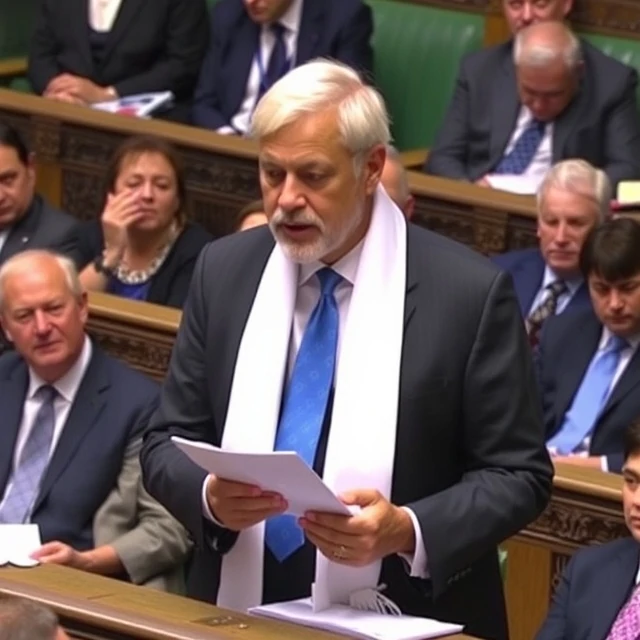
In parliamentary systems the head of government is the prime minister. He or she leads the cabinet, sets the policy agenda, and must maintain the confidence of the legislature to remain in office.
Prime ministers are usually leaders of the majority party or coalition. They appoint ministers, dominate legislative scheduling in practice, and represent the country in international forums. Unlike presidents in pure presidential systems, prime ministers can fall between scheduled elections if they lose parliamentary support.
The office combines political leadership with administrative coordination. Strong prime ministers dominate their cabinets; weaker ones manage coalitions of relative equals. Party discipline, media skill, and economic conditions all affect tenure. The prime minister’s residence and office often become synonymous with the government of the day.
- Head of government in parliamentary systems
- Depends on legislative confidence
- Leads cabinet and policy agenda
- Can be removed between elections
Comments
No comments yet. Be the first to share a thought.
Leave a comment