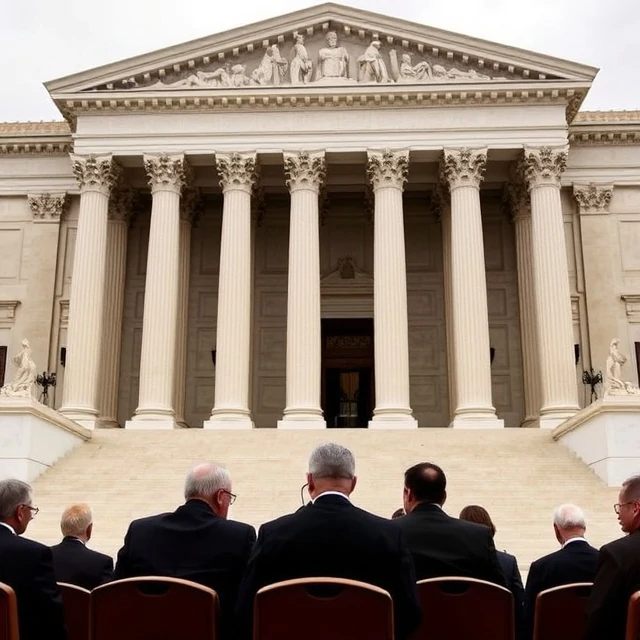
Disputes about the meaning and application of a constitution are resolved through constitutional law. This body of doctrine emerges from judicial decisions, scholarly interpretation, and sometimes legislative practice.
Courts decide whether statutes, executive actions, or lower-court rulings comply with constitutional requirements. Landmark cases can redefine rights, reshape the balance among branches, or alter the relationship between central and regional governments. The intensity of judicial review varies across systems; some constitutions explicitly empower courts, while others leave more to political processes.
Constitutional law is both technical and political. Lawyers argue about text, history, structure, and precedent. Outcomes affect the practical scope of free speech, equality, criminal procedure, and governmental power. Continuous litigation and commentary keep constitutional meaning in motion even when the formal text remains unchanged.
- Body of law interpreting a constitution
- Developed mainly through judicial decisions
- Determines validity of ordinary laws and acts
- Shapes rights and institutional balances
Comments
No comments yet. Be the first to share a thought.
Leave a comment