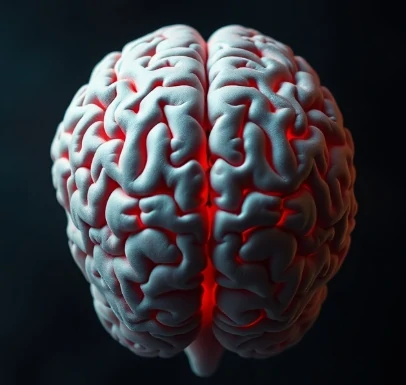
The cerebellum is the “little brain” tucked under the occipital lobes at the back of the skull. Despite its modest size it contains more neurons than the rest of the brain combined, arranged in a highly regular circuitry.
Its classical role is the coordination of voluntary movement, the maintenance of posture and balance, and the smoothing of motor output. Damage produces ataxia—unsteady gait, intention tremor, and difficulty with rapid alternating movements—without paralysis. The cerebellum also participates in motor learning; it helps the nervous system adjust movements on the basis of error feedback. More recent evidence implicates it in certain cognitive and emotional functions as well, though the motor role remains primary.
Sensory information about the body’s position and the progress of ongoing movements streams into the cerebellum, which compares the intended action with the actual result and issues corrective signals. The process is largely unconscious. When a pianist’s fingers land accurately on the keys or a walker recovers from a stumble, the cerebellum has performed its continuous calibration.
Graceful, well-timed movement is the cerebellum’s signature contribution.
Comments
No comments yet. Be the first to share a thought.
Leave a comment