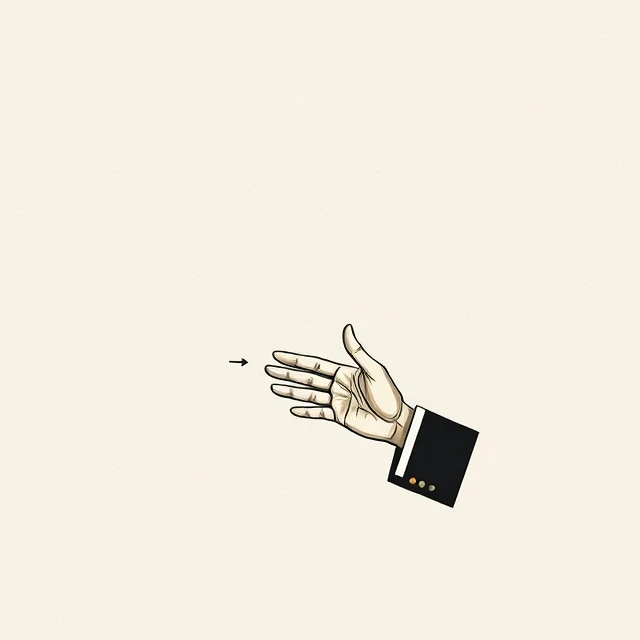
Utterances do things, not only describe them. A speech act is an act performed by speaking—such as promising, requesting, warning, or declaring—where the utterance itself constitutes the action under appropriate conditions.
Speech-act theory distinguishes locutionary content, illocutionary force, and perlocutionary effects. Performative verbs can make force explicit, but everyday indirect speech acts convey force through context and convention. Felicity conditions specify when a speech act succeeds.
Pragmatics and philosophy of language share this territory. Cross-cultural differences in how speech acts are realized affect politeness and translation. Dialogue systems must recognize speech-act types to respond appropriately rather than purely literally.
- Action performed by means of an utterance
- Includes promises, requests, assertions, and declarations
- Analyzed by force and felicity conditions
- Central topic in pragmatics
Comments
No comments yet. Be the first to share a thought.
Leave a comment