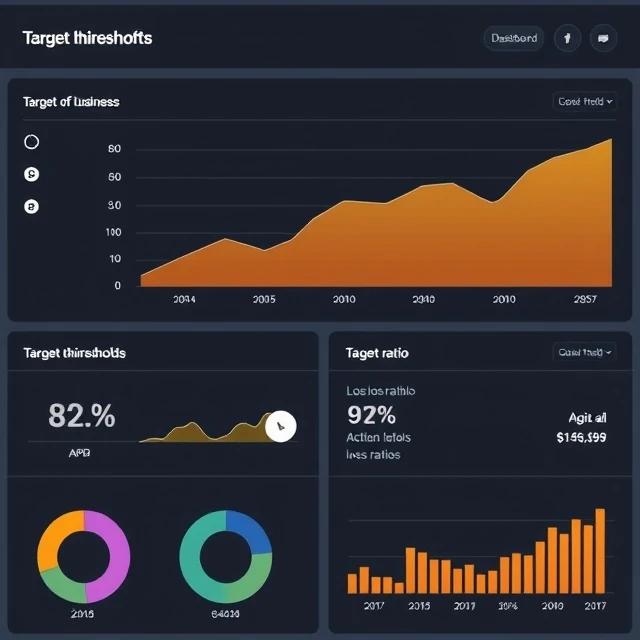
How much of the premium is consumed by claims? The loss ratio is incurred losses divided by earned premium, expressed as a percentage. It is the most widely watched indicator of pure underwriting experience for a line of business or an entire company.
A loss ratio of 65 percent means 65 cents of every earned-premium dollar went to claims and related reserves. Adding the expense ratio produces the combined ratio. Calendar-year loss ratios can be distorted by reserve changes; accident-year ratios provide a clearer view of the underlying experience of a specific period.
Insurers set target loss ratios when pricing products. Persistent adverse ratios trigger rate increases, tighter underwriting, or exit from a line. Catastrophe losses cause temporary spikes that must be interpreted in context. The loss ratio remains a simple yet powerful diagnostic tool.
- Incurred losses divided by earned premium
- Core measure of underwriting experience
- Used with expense ratio to form combined ratio
- Interpreted carefully around catastrophes and reserve changes
Comments (2)
Leave a comment