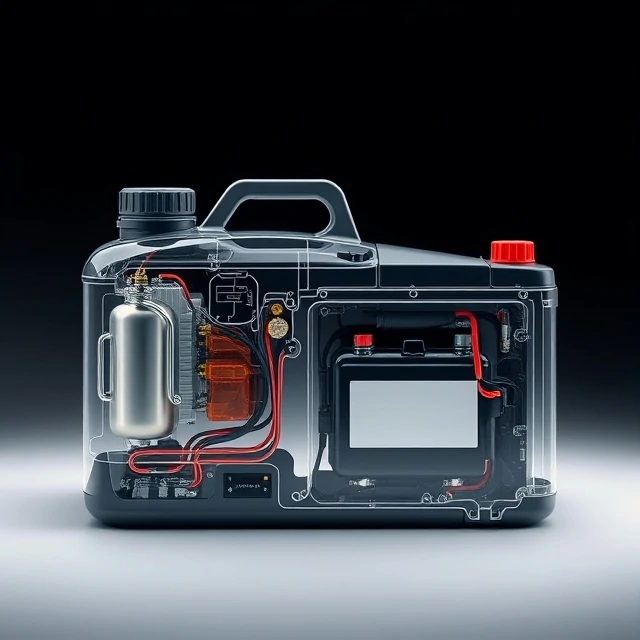
Energy density measures how much energy is stored in a given amount of space or mass. It is usually expressed in megajoules per kilogram or watt-hours per liter. High energy density means more power in a smaller, lighter package. That matters for cars, planes, and phones.
Fuels differ widely. Gasoline holds about 44 megajoules per kilogram. Coal holds 24 to 35. Wood holds around 16. Lithium-ion batteries hold roughly 0.3 to 0.7 megajoules per kilogram. That gap explains why electric vehicles need large, heavy battery packs to match the range of a gasoline car.
Scientists are pushing battery energy density higher. Solid-state designs promise two to three times the density of today's lithium-ion cells. Lithium-sulfur and lithium-air are further out. Even with progress, liquid fuels will likely dominate aviation and shipping for years. The physics is stubborn. Batteries improve gradually. Fuels have had a head start of a century.
Typical values
- Gasoline: about 44 MJ/kg
- Diesel: about 45 MJ/kg
- Coal: 24 to 35 MJ/kg
- Wood: about 16 MJ/kg
- Lithium-ion: 0.3 to 0.7 MJ/kg
Comments
No comments yet. Be the first to share a thought.
Leave a comment