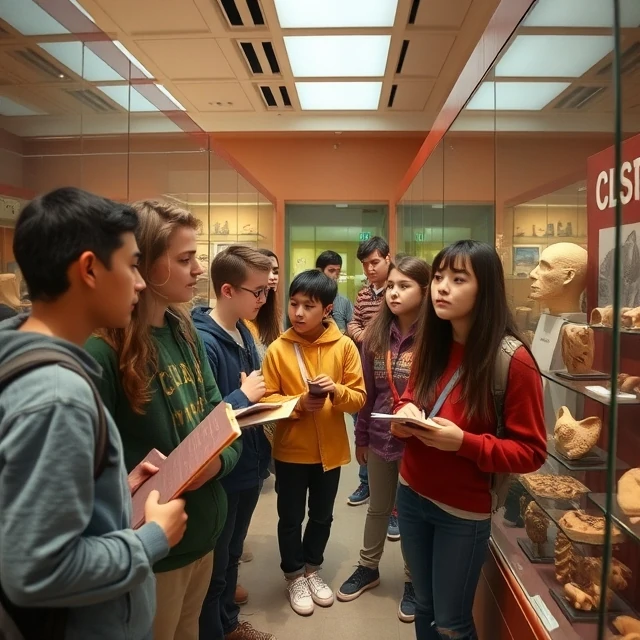
History education teaches students about the past. It covers events, people, and ideas. But it is never just about dates. It is about interpretation, evidence, and perspective. Students learn to read sources critically, weigh conflicting accounts, and build arguments.
What gets taught is political. National curricula decide whose stories are included. Debates over slavery, colonialism, and war erupt in school boards and parliaments. A history textbook can spark protests. The stakes are high because history shapes identity.
Good history teaching goes beyond memorization. It asks students to think like historians: What is the source? Who wrote it? Why? What is missing? These skills transfer to other subjects and to civic life. A student who can evaluate a primary source can also evaluate a campaign ad.
Key skills
- Analyzing primary and secondary sources
- Understanding chronology and causation
- Recognizing bias and perspective
- Building evidence-based arguments
- Connecting past to present
Comments (4)
Leave a comment