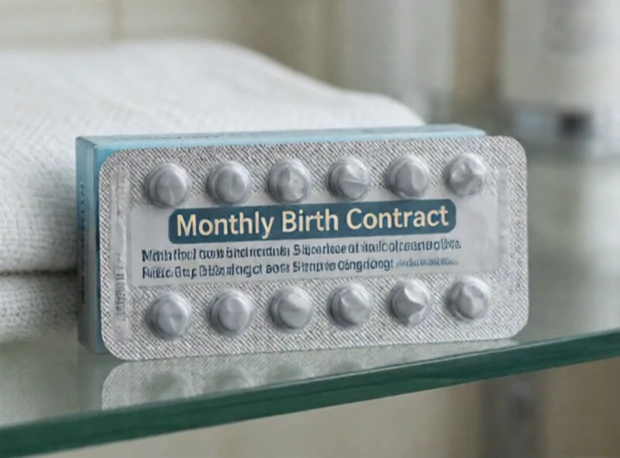
The birth control pill is a daily oral hormone tablet that usually stops ovulation. Combined pills contain estrogen and a progestin. Mini-pills rely on progestin alone. Taken on schedule, they are highly effective at preventing pregnancy. They do not block STIs.
Spotting, breast tenderness, and mood shifts show up in the first packs for some people. Blood-clot risk rises with combined pills, especially in smokers over 35 and in people with certain clotting histories. That is why a clinician asks nosy questions before writing the script.
Timing matters. A pill that lives in a bathroom cup gets missed. Phone alarms are unglamorous and they work. If a pill is late, the packet insert is more useful than a guess. Backup condoms exist for a reason during those weeks.
Some pills also ease cramps or acne. Those side benefits do not make the drug trivial. Annual review still belongs on the calendar.
Comments
No comments yet. Be the first to share a thought.
Leave a comment