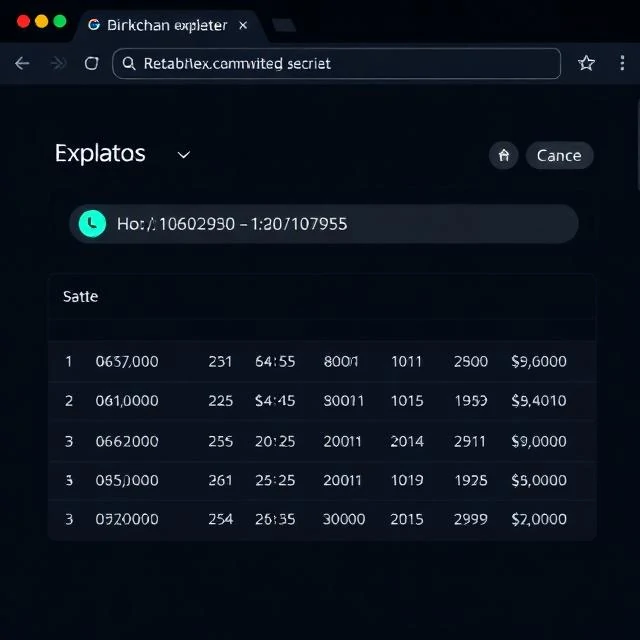
Οι χρήστες του Blockchain αναγνωρίζονται από διευθύνσεις, όχι από ονόματα. Αυτό είναι ψευδώνυμο, όχι ανωνυμία. Η διεύθυνσή σας είναι μια συμβολοσειρά χαρακτήρων. Δεν περιλαμβάνει το όνομά σας, το email ή τη φωτογραφία σας. Αλλά κάθε συναλλαγή που πραγματοποιείτε είναι δημόσια και συνδέεται μόνιμα με αυτήν τη διεύθυνση. Εάν κάποιος συνδέσει τη διεύθυνσή σας με την ταυτότητά σας μία φορά, μπορεί να δει όλα όσα έχετε κάνει ποτέ με αυτήν. Εταιρείες ανάλυσης αλυσίδων όπως το Chainalysis κάνουν ακριβώς αυτό. Εντοπίζουν ροές, ομαδοποιούν διευθύνσεις και πωλούν τα αποτελέσματα σε χρηματιστήρια, κυβερνήσεις και αρχές επιβολής του νόμου.
Pseudonymity is not a bug. It is a design choice. Bitcoin's creator wanted a system where transactions could be verified without revealing identities. That protects ordinary users from snooping and makes mass surveillance harder. It also attracts criminals. Ransomware operators, darknet vendors, and scammers all use crypto because it is pseudonymous. The cat-and-mouse game between privacy tools and chain analysis is ongoing. Mixers, privacy coins, and zero-knowledge proofs try to break the link. Regulators try to close the gaps. For most users, pseudonymity is enough. They are not hiding from anyone. They just do not want their salary and spending habits on a public ledger tied to their name.
Pseudonymity in practice
- Addresses are public — anyone can view transactions
- Identity is not attached — unless you link it
- Chain analysis — firms cluster addresses to deanonymize
- KYC exchanges — link your identity to your deposits
If you want real privacy, you need more than a fresh address. You need careful operational security. Most people do not bother.
Comments
No comments yet. Be the first to share a thought.
Leave a comment