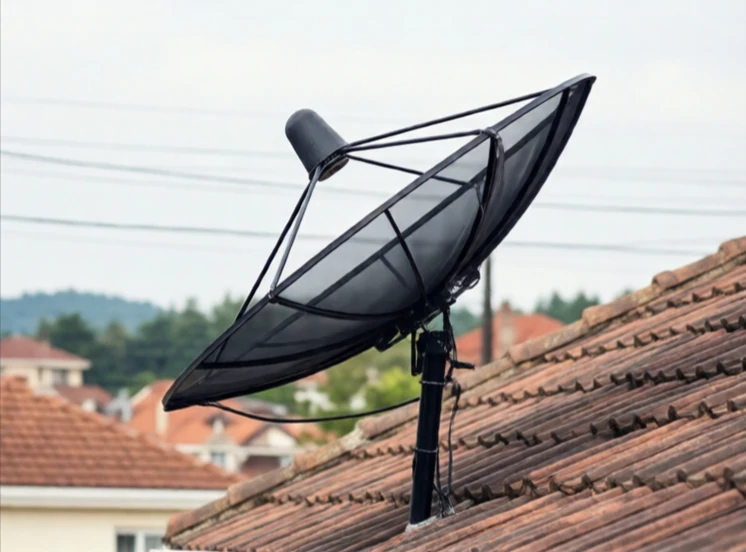
A receiver is a device that detects and interprets transmitted signals. It captures radio waves, electrical signals, or light. It amplifies them. It demodulates them. It extracts the original information. The receiver is the destination. The transmitter is the source.
Receivers are everywhere. A radio receiver tunes to a station. A TV receiver picks up broadcast channels. A phone receiver captures cellular signals. A GPS receiver listens to satellites. A Wi-Fi receiver connects to a router. Each is tuned to specific frequencies and protocols.
Receiver components
- Antenna: captures the signal
- Amplifier: boosts weak signals
- Filter: removes unwanted frequencies
- Demodulator: extracts information
- Decoder: interprets the data
Receivers must be sensitive and selective. Sensitivity is the ability to detect weak signals. Selectivity is the ability to reject unwanted signals. Good receivers balance both. They also must handle noise and interference. The receiver is the listener. Without it, the message is lost.
Comments
No comments yet. Be the first to share a thought.
Leave a comment