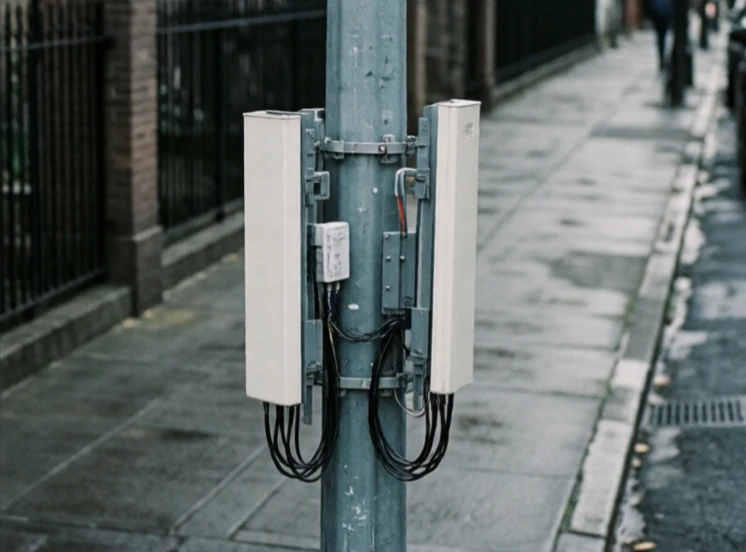
A cell site is a base station serving a cell in a mobile network. It is the physical location: a tower, a rooftop, or a pole with antennas and equipment. The cell is the area it covers. Cell sites are arranged in a grid so that coverage overlaps slightly. That overlap allows calls to hand off from one cell to another.
Cell sites come in different sizes. Macro sites are the large towers that cover kilometers. Small cells cover a few hundred meters. They are mounted on streetlights, buildings, and bus stops. Small cells add capacity in dense areas where macro sites are overloaded.
Components of a cell site
- Antennas: transmit and receive signals
- Radios: convert digital to radio
- Baseband unit: processes signals
- Backhaul: connects to the core
- Power: grid or generator
Cell sites are controversial. People worry about radiation, aesthetics, and property values. But without them, there is no mobile service. The number of cell sites keeps growing. 5G needs more sites than 4G because higher frequencies travel shorter distances. The network is getting denser.
Comments
No comments yet. Be the first to share a thought.
Leave a comment