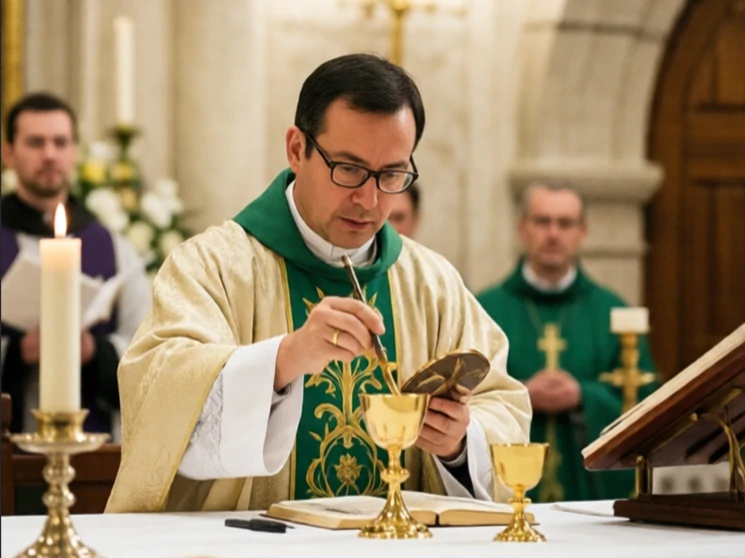
The Eucharist is the Christian sacrament of Holy Communion. It is the central act of Christian worship. The word comes from the Greek eucharistia, meaning thanksgiving. It is the giving of thanks. It is the sharing of bread and wine. It is the remembrance of Christ. It is the presence of Christ. It is the foretaste of heaven. It is the family meal of the church.
The Eucharist was instituted by Jesus at the Last Supper. He took bread. He gave thanks. He broke it. He gave it to his disciples. He said: This is my body, which is given for you. Do this in remembrance of me. He took the cup. He said: This cup is the new covenant in my blood, which is poured out for you. The church has celebrated the Eucharist ever since. From the upper room to the catacombs. From the cathedrals to the storefront churches. From the first century to the twenty-first. The Eucharist is the church's heartbeat.
Eucharist in history
- Didache: earliest Christian teaching on the Eucharist.
- Justin Martyr: described the Eucharist in 155 AD.
- Council of Trent: defined transubstantiation.
- Reformation: debated the real presence.
- Modern ecumenical dialogues: seeking common ground.
The Eucharist is a mystery. It is a gift. It is a sacrifice. It is a meal. It is a memorial. It is a presence. It is a proclamation. It is a communion. It is a thanksgiving. It is the body and blood of Christ. It is the bread of life. It is the cup of salvation. It is the food of pilgrims. It is the medicine of immortality. It is the Eucharist. Do this. In remembrance of me. Until he comes. That is the command. That is the promise. That is the joy. That is the Eucharist.
Comments
No comments yet. Be the first to share a thought.
Leave a comment