Balanced forces are equal in magnitude and opposite in direction. They cancel each other out. The net force is zero. An object at rest stays at rest. An object in motion continues at constant velocity. No acceleration. No change in direction. The forces are balanced.
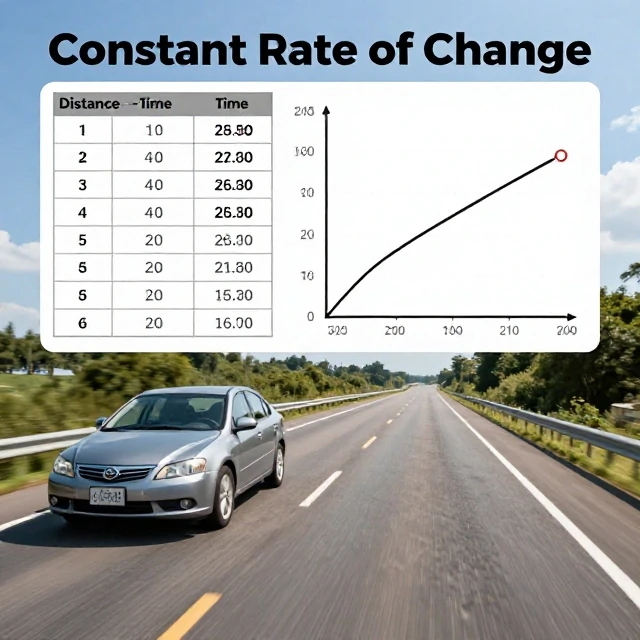
A book on a table is a classic example. Gravity pulls down. The table pushes up. The forces are equal and opposite. The book does not move. A car cruising at a steady speed on a straight road has balanced forces. The engine pushes forward. Friction and air resistance push backward. The net force is zero. The car maintains its speed.
Balanced force characteristics
- Net force equals zero.
- No acceleration.
- Object at rest stays at rest.
- Object in motion stays in motion at constant velocity.
- Forces are equal in magnitude and opposite in direction.
Balanced forces do not mean no forces. They mean the forces cancel. The book on the table has two forces acting on it. It is not force-free. It is in equilibrium. Static equilibrium is when the object is at rest. Dynamic equilibrium is when the object moves at constant velocity. Both are balanced. The distinction matters in physics problems. A car at constant speed has balanced forces. A car accelerating has unbalanced forces. The net force is what changes motion. Balanced forces preserve motion. They do not start it or stop it. They just keep things the way they are.
Comments
No comments yet. Be the first to share a thought.
Leave a comment