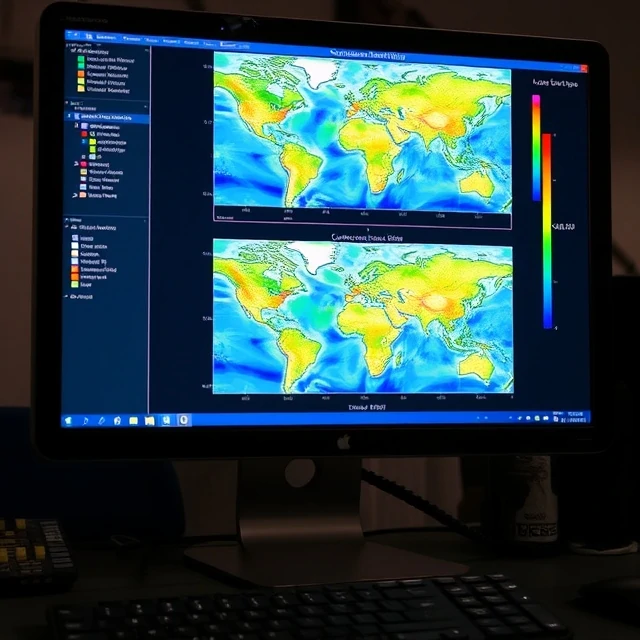
Guesswork is no longer acceptable for pricing hurricane or earthquake risk. Catastrophe modeling uses computer simulations of natural hazards, engineering assessments of damage, and insurance exposure data to estimate the distribution of potential losses from extreme events.
Models generate thousands of simulated events, apply vulnerability functions to portfolios of properties, and produce metrics such as average annual loss and probable maximum loss. Insurers, reinsurers, and rating agencies rely on these outputs for pricing, capital allocation, and stress testing.
Model results are sensitive to assumptions about hazard frequency, building resilience, and demand surge. Vendors regularly update models as science and claims experience improve. Users must understand the limitations and avoid treating any single number as precise fact. The discipline has become indispensable in catastrophe-prone markets.
- Computer simulation of natural-disaster losses
- Combines hazard, vulnerability, and exposure data
- Produces loss metrics for pricing and capital
- Requires careful interpretation of assumptions
Comments
No comments yet. Be the first to share a thought.
Leave a comment