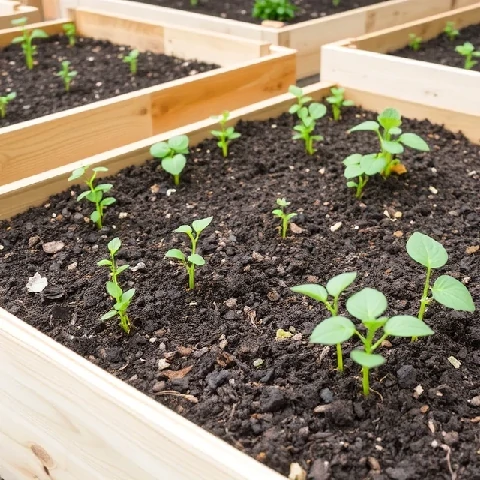
Some soils drain poorly or sit too low. A raised bed lifts the growing surface above ground level, improving drainage and warming the soil earlier in spring. Frames of wood, stone, brick, or composite materials hold a deep layer of quality soil and compost.
Gardeners appreciate the reduced bending and clearer boundaries. Paths between beds stay dry and accessible. Soil in a raised bed can be customized for the crops grown—lighter mixes for root vegetables, richer blends for heavy feeders. Weeds are easier to manage because the planting area is defined.
Depth of at least 20–30 centimeters suits most vegetables and flowers. Wider beds allow planting from both sides without stepping on the soil. Over time the organic matter settles and needs topping up. A well-built raised bed becomes a productive, long-lasting feature.
- Garden bed built above ground level
- Improves drainage and soil warmth
- Allows customized soil mixes
- Reduces bending and defines planting areas
Comments
No comments yet. Be the first to share a thought.
Leave a comment