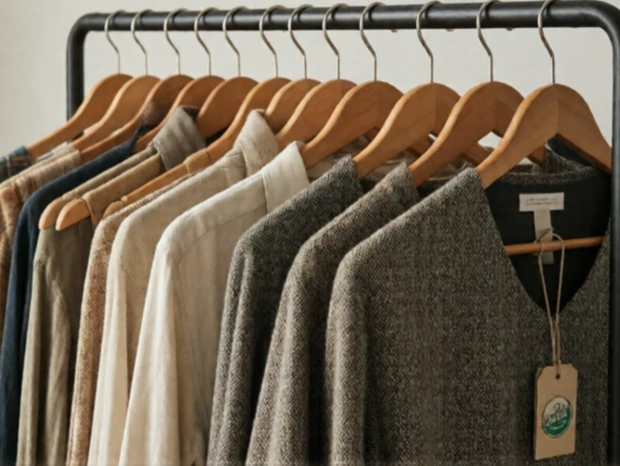
Sustainable fashion means clothing produced with minimal environmental and social harm. It addresses the entire supply chain: fiber sourcing, dyeing, manufacturing, transport, use, and disposal. The goal is to reduce pollution, conserve resources, and ensure fair treatment of workers. The term overlaps with ethical fashion and slow fashion but is broader.
Practices vary. Organic cotton avoids synthetic pesticides. Recycled polyester reduces plastic waste. Tencel and other lyocell fibers come from sustainably managed wood pulp. Natural dyes replace toxic chemicals. Factories install water treatment and use renewable energy. Brands audit suppliers and publish their findings. Some offer take-back programs for worn garments. Others design for disassembly so materials can be recovered.
Sustainable fashion faces real challenges. Certification is complex and sometimes unreliable. Greenwashing is widespread. A single garment may have dozens of suppliers, making traceability difficult. Prices are higher because sustainable practices cost more. Consumers say they care, but price often wins at checkout. Progress is uneven. Some brands have made meaningful changes. Others use the label for marketing. Independent verification and regulation are slowly improving the picture. The field is evolving, and so is the scrutiny.
Key practices
- Organic and recycled fibers
- Low-impact dyes
- Fair labor standards
- Supply chain transparency
- Repair, resale, and recycling
Comments
No comments yet. Be the first to share a thought.
Leave a comment